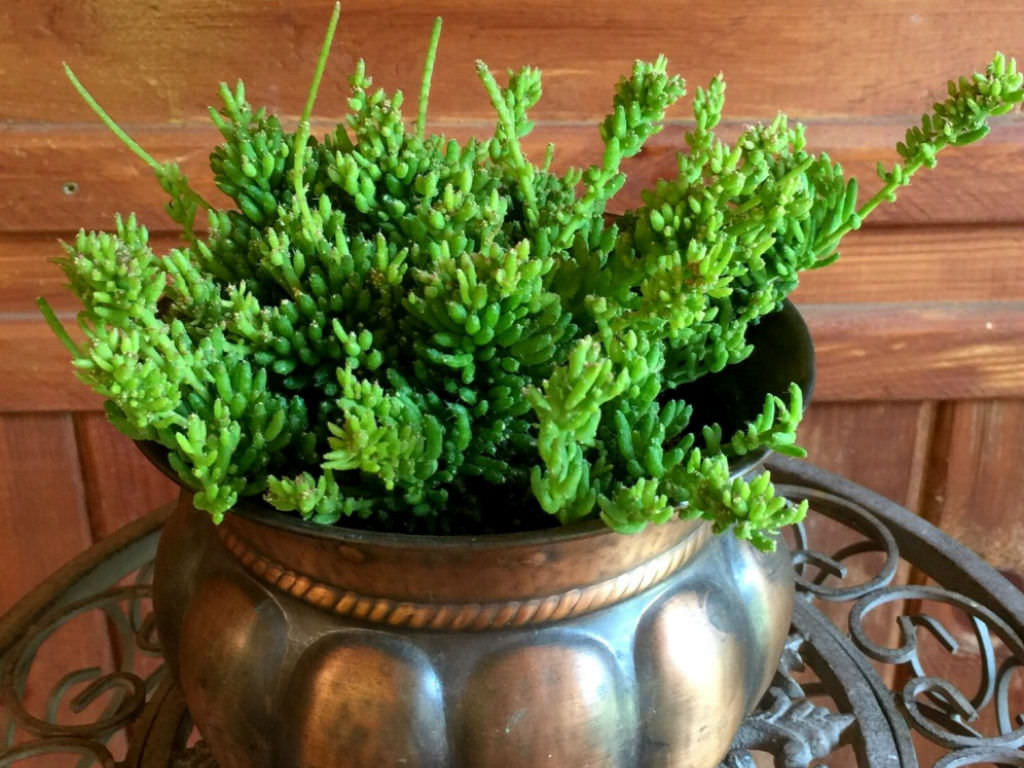
How to make cactus soil
Read more at Gardening Know How: Cactus Potting Soil – Proper Planting Mix For Cacti Plants Indoors https://www.gardeningknowhow.com/ornamental/cacti-succulents/scgen/cactus-potting-soil.htm
mix 1:
he plants are fine with one part washed sand, one part soil and one part gritty amendment such as pebbles or even pot shards
mix 2:
five parts potting soil, two parts pumice and one part coir for a mixture that dries out evenly.
http://www.cactiguide.com/article/?article=article8.php
Introduction
Now that we've ruled out pre-made mixes as a stand alone solution for our cactus soil, lets look at one method of making a custom mix. To start with, you will want a container large enough to hold all of your ingredients with enough room to stir them together without spilling. I prefer to use plastic storage tubs (see far bottom left picture), but a wheel burrow could also work. You will also want some sort of measuring device for consistency. This does not have to be precise, I use a 5 quart plastic ice cream container. You can "eyeball" the amounts as well, but you will likely end up with inconsistent proportions from batch to batch so I don't recommend that. A trowel or small shovel will also be useful for mixing it all together.
 Good drainage is essential to prevent cactus roots from rotting, but
some organic material is good for
nutrients and keeping the mix from drying out too quickly. I use a
"standard" potting soil.
I try to avoid soils that have large chunks of "forest products", that
is bark pieces and wood chips. While most potting soils are
a combination of "forest products" and peat, some are more like mulch
than soil. These big chunks are avoided as they don't mix well with
the other components of the custom soil and eventually rot.
Good drainage is essential to prevent cactus roots from rotting, but
some organic material is good for
nutrients and keeping the mix from drying out too quickly. I use a
"standard" potting soil.
I try to avoid soils that have large chunks of "forest products", that
is bark pieces and wood chips. While most potting soils are
a combination of "forest products" and peat, some are more like mulch
than soil. These big chunks are avoided as they don't mix well with
the other components of the custom soil and eventually rot. Desert Mix
Soil:
I will include one 5 quart bucket of this (or one part, depending on the amount I'm mixing).
Pumice
Next, I will include 2 buckets (or 2 parts) of pumice.
Pumice is a relatively light weight volcanic rock that is porous. Pumice is not available in many areas and while light, it is still too heavy to mail order with shipping costs. Substitutes include pearlite, non-soluble cat litter, aquatic plant soil or Turface, NAPA oil dry #8822, chicken grit, or another similar substance. The goal is to provide an inorganic substance that allows water to pass through the mix quickly, while at the same time making the mix somewhat "airy".

Coir
The third ingredient that I use is coir. Most people have never heard of coir and it is not a product that is easy to find, even though it isn't that rare. Coir is made of shredded coconut husks and is a coarse, fibrous material that is technically organic, but it is very slow to decompose. The purpose of adding coir to the cactus mix is to help hold moisture and air while providing structure to the mix. Unlike peat, coir can easily be re-wet after it dries out and it does not compact.
If you cannot find coir, peat can be used as a substitute, but you may consider using less of it. And since many potting soils have a high percentage of peat, you might just skip adding peat altogether - perhaps 60% pummice/grit/litter to 40% potting soil.
I use 1 bucket (or 1 part) of coir in my mix. Coir is sold in very tightly compressed bales. Before using it in your mix, it has to be loosened up. This is hard work and while it can be done by hand, I found the best method to be a wire mesh screen mounted on a wooden frame. I then break chunks off the bale and rub them on the screen. When this is done, the coir expands to at least 3 times its original volume in the bale.


Mix for epiphytic cacti (epis):
I do it much the same way, but instead of 2 buckets (2 parts) of pumice, I will add only 1.
Next, I will add 2 buckets (2 parts) of coarse "orchid bark". This is ground up redwood bark pieces that are marketed for use by orchid growers. The bark holds more water than the pumice, which the epi cacti like. I notice that the roots also like to attach to the bark pieces. The bark also keeps the mix more airy than simply adding more potting soil. Over time, the bark will break down and turn into soil. I find that the epi cacti don't mind this at all, but will eventually appreciate a repotting. I would say it is best to repot every 2 to 4 years depending on your specific conditions.

Addition to desert mix and the epi mix:
I add a time-release fertilizer. The best known brand of this is Osmocote® and that is the kind I have always used, although I am sure similar products would work fine. I usually put about 3/4 of an inch in the bottom of the 5 quart ice cream pail and then dump it in.
You'll have to figure out how much that is if you are using a different measurement or just follow the recommendations on the label. Since this is a time-released fertilizer, a newly potted plant will be fine for 6 months to a year, depending on how much you water it. The epi cacti will obviously be on the short end of that. You will not likely be ready to repot at this time, so you will want to remember to apply a fertilizer after this time.
Bone meal
Aside from this fertilizer, I've also picked up the habit of throwing in a scoop (1 trowel full) of bone meal. Admittedly, I'm not really sure of the effects on the cactus by adding this, I just got the idea from another grower. His plants grow very well and it seems to be working well for me so far.


Mix it all up
Once I have all the ingredients in my tub, I mix them with the garden trowel. If it is a larger batch, I use a small spade. In the left picture below you can see the various ingredients ready to be mixed for an epi cactus mix. This gives you some idea of the proportions used - keeping in mind that there is overlap in that tub.
The second picture shows the final result of a desert cactus mix. Note the absence of any bark pieces. The little yellow dots are the fertilizer. Finally, it might seem in that mix that there is a 50:50 mix of soil to pumice, but remember 25% of the soil mix is coir. It seems to lose its reddish brown color when all mixed in.


epi cactus mix desert cactus mix
In conclusion
I reiterate that this mix is not the magic recipe that all growers should follow exactly. I even vary this mix with certain cacti species that might prefer even less organic material. Keep in mind also that there are many other factors such as, light, humidity, and temperature that affect the growth of your cactus plants. These all should be considered along with availability of materials when you set about creating your own mix. Don't be afraid to experiment as that is half the fun! It is my hope that this article will provide the reader with a "better feel" for mixing up a custom batch of cactus soil.
Author: Daiv Freeman