Labels

zondag 7 augustus 2016

wardian case


Wardian Case

https://en.wikipedia.org/wiki/Wardian_case

The Wardian case was an early type of sealed protective container for plants, an early version of the terrarium. It found great use in the 19th century in protecting foreign plants imported to Europe from overseas, the great majority of which had previously died from exposure during long sea journeys, frustrating the many scientific and amateur botanists of the time. The Wardian case was the direct forerunner of the modern terrarium, Vivarium (and the inspiration for the glass aquarium), and was invented by Dr. Nathaniel Bagshaw Ward (1791–1868), of London, in about 1829 after an accidental discovery inspired him.[1] He published a book titled On the Growth of Plants in Closely Glazed Cases in 1842.[2]


source:
http://www.stormthecastle.com/terrarium/wardian-cases.htm

Wardian Cases


Terrariums are generally credited with being invented by a man named Nathaniel Bagshaw Ward. He invented them during the Victorian era and created a style of glass case with a metal frame that was very popular during the era. These terrariums were called "Wardian Cases" after Ward. You can learn more about him and the history of the terrarium on my page here "The History of the Terrarium" The picture shown here is a Victorian Wardian Case. I have on this page two sizes of terrariums Table Top and Floor Model.
The traditional style of wardian case is made much like a stained glass window with metal around the edges holding sheets of glass together. But in the wardian case the glass is clear to allow sunlight to pass through. 


The History of Terrariums

The bringing of the art of the terrarium is generally credited with a man called Nathaniel Bagshaw Ward. This came about with the publishing of his book called "On the Growth of Plants in Closely Glazed Cases" which he published in 1842. The second edition of this book was published in 1852 and is readily available in the public domain. Google books has it available here

In the preface to his first edition he cites an earlier reference where he wrote a letter that was published in the "Companion to the Botanical Magazine" which was published in the May 1836 issue. He also gives credit to an author named Mr. Ellis who published an article about growing plants in closed cases in an article in "Gardeners Magazine" in September of 1839. The publication of the "On the Growth of Plants in Closely Glazed Cases" is considered to be the first substantial work that outlines the theory and keeping of terrariums.
The story of how he first discovered the terrarium is rather interesting and Ward tells it in his book.
A Wardian Case or TerrariumHe had the desire to watch an insect chrysalis transform into an insect so he placed it, along with some mould in a capped wide-mouthed glass bottle. He observed this bottle on a regular basis and noted how, because of the sun, moisture would be drawn to the top of the bottle during the day then circulate back down to the mould and soil in the evening.
But his big surprise came when quite unexpectedly a seedling fern and a sprout of grass bloomed inside the bottle. He was very suprised by this because he had been unsuccessfully trying to grow these very things in his garden. He had surmised that pollution from local factories had been hostile to the plants and was killing them. This made him believe that the plants were doing well in his little bottle because they were sealed off from outside influences and protected from contaminants. He placed this bottle outside the window of his study and the plants inside continued to thrive for four years with no watering or outside intervention at all! From this he devised further experiments and thus his pursuit, and the science of the terrariums, was born. For a very long time these small glass enclosures were named Wardian Cases after him and even though the term is still in use today it is generally not well known and we just call them terrariums.

Terrariums Grew In Popularity
During the Victorian Era and predominantly in England terrariums or "Wardian Cases" became very popular and many people kept them in their homes. But over the course of decades the practice fell in decline and in todays world they have made a bit of a comeback but have never reached the every day popularity that they had achieved in the days of Ward.
The Style of the Wardian Case still remains today
victorian style modern terrariumThis style of case which was created by Ward and was very popular in Victorian England was a series of sheets of glass framed together with metal. The picture at the top of this page gives you a good idea of this. And this Victorian style case has made quite a comeback over the past decade or so. Several companies now manufacture and sell them.


I have plenty of tutorials on this website that will show you exactly how to make all kinds of terrariums from bottle, to plastic bottle to dish and even big ones in an aquarium! Have some fun with terrariums. If you are particularly interested in Wardian Cases I have a nice selection of them you can buy here

Fern in a bottle - the accidental terrarium
Terrariums got their start when a Dr. Ward discovered a fern growing inside a bottle over 150 years ago. I just received an email with pics from someone who found a fern in a bottle. Its a wonderful re occurrence. Read about the fern in the bottle and see more pics of this one: The Fern in the bottle and the Wardian Case


materials for making a terrarium
The fool proof Guide to making a beautiful terrarium in 1 hour

zondag 20 maart 2016

Iwagumi gardening

 source: http://mininaturecube.blogspot.nl/2013/03/lets-start-with-nature-aquarium.html


What is Iwagumi Style 

History 
The Japanese are master gardeners, practicing the art since the 6th century. From the late 12th century to the 19th century, Japanese gardens became a high art form, having been influenced by the Japanese Tea Ceremony and their Zen beliefs. By that time, Japanese gardens were known as places for contemplation, meditation, enjoying the wonders of nature and as a place for meaningful ceremonies. Seyemon Kusumoto wrote that the Japanese are best at ‘generating nature’s handiwork in a limited amount of space’. Japanese gardens became so beautiful that they were imported overseas, there are now 65 notable gardens found outside of Japan.

https://theaquaticgazette.files.wordpress.com/2011/05/erinjigarden.jpg
Japanese Garden | Erinji

Iwagumi Style
The Japanese word “Iwagumi” literally means “rock formation.” In a Japanese rock garden, the rocks are the “bones” of the layout and usually consist of three rocks; one main or large rock flanked by two smaller rocks, but not of equal size. When the rock formation is placed properly, the rest of the layout will simply fall into place. In our hobby this has been taken far beyond three rocks but, the main principles should still be used. The iwagumi or ‘stone formation’ style was developed some 30 years ago. When Takashi Amano was in his early 20s, he became interested in creating an aquatic layout using rocks and studied Suiseki, the Japanese art of stone appreciation and Bonseki, the art of creating miniature landscapes on a black lacquer tray. These studies and his own experiments aided him in establishing the iwagumi style.


Define Your Hardscape
The first rock to be placed in an Iwagumi is the primary rock or largest rock, the Oyaishi, and it is always placed off center, in accordance to the one third rule. It is also often slightly tilted in the direction of the water flow, to give it more of a natural feel as any tall flora will also move in the same direction.

After the Oyaishi, the second largest rock is placed, the Fukuishi. The Fukuishi is placed on either the left or right side of the Oyaishi, its role is to balance out the Oyaishi and to create a tension that is seen in all Iwagumi aquascapes.

The third largest rock follows the Fukuishi, the Soeishi. It is placed in a position that accentuates the strength of the Oyaishi.

The fourth largest rock is the Suteishi, and it is placed in areas which compliments the entire rock formation and assists in bringing all the different rocks together. The Suteishi are not meant to stand out from the rock formation and they are sometimes hidden by flora, because of these factors, it is also known as the sacrificial stone.

Except for the Oyaishi, there can be many Fukuishi, Soeishi and Suteishi, with the numbers of the particular type increasing as the rocks get smaller. The naming of the rocks based on their sizes provides a guideline to the Nature Aquarium aquascaper on how to produce an Iwagumi aquascape that balances itself.

The most basic of all iwagumi is the Sanzon Iwagumi, or ‘three-pillared rock formation’. As suggested by its name, only three rocks are used, the Oyaishi, the Fukuishi and the Soeishi. The Sanzon Iwagumi is popular among nano aquascapers because it does not take up much space. Simple and non-complicated, some of the best iwagumi aquascapes are of the Sanzon Iwagumi style.

Select the Right Aquatic Plants Iwagumi style Planted Aquarium should give you a feeling of tranquility and simplicity; therefore a limited number of plant species are used. An aquascape (Planted Aquarium ) will usually consist of a single foreground plant like Eleocharis acicularis (Dwarf hairgrass), Glossostigma elatinoides, and Hemianthus callitrichoides to name a few commonly used species. The background should also only consist of one plant species and can vary based upon the look and feel you want to obtain. The rocks are the focal point in an Iwagumi aquascape (Planted Aquarium ). So always use plants that will not over power the rock formation.

Harmony with Fauna When selecting fish you want to emphasis simplicity, harmony, and unity between the fauna and the aquascape. Too many fish species can cause discord and chaotic random movement among the fish, which distracts from the aquascape. Instead use a single species of schooling fish to add fluid movement and contentment to the aquascape. The most common used species are Cardinal tetras, Rummy nose tetras, or Harlequin rasboras. It is important to use “schooling” fish and not “shoaling” fish. This helps to maintain a more tranquil environment. Shrimp like the Caridina japonica (Amano Shrimp) are most often use in the planted aquarium and serve as an excellent clean up crew without distracting the aquascape. Their small size and clear coloration helps them blend well with the plants. Other shrimp varieties can be a distraction if they are too colorful or too abundant. Not as Easy as it Looks It is a common misconception that Iwagumi style Planted Aquarium are easy to maintain due to its simplistic look. It is in fact a more difficult style mainly because the style involves only two plant species which require special attention. The plants mentioned previously are heavy root feeders, so dosing the water column should be done in moderation. It is more important to have a nutrient rich substrate to help these specific plants grow strong and healthy. Many hobbyists overlook the importance of a nutrient rich substrate, and may run into plant health issues later as the aquascape develops.

While attempting to create my first Iwagumi style scape, I fell victim to all type of algae know to aquarists. This was by far the most difficult tank to “balance” nutrient wise. With the help of Seachems Excel, I managed to kill all the algae but, unfortunately the Heminathus callitrichoides (H.C.) fell victim as well. I had to re-plant the H.C. and wait for it to fill in again. I have learned so much creating this little piece of nature that it was well worth all the frustration. So, whether you are a novice or expert, everyone should experience the joys of successfully completing an Iwagumi aquascape.

Posted 21st March 2013 by driptendu maiti

zondag 13 maart 2016

mosslight1955


Photo from mosslight1955


http://iconosquare.com/p/1203125428543304846_1551546036


http://iconosquare.com/p/1184980246601938102_1551546036


http://iconosquare.com/p/1184980246601938102_1551546036Photo from mosslight1955
“#苔あかり #モスライト#mosslight #LED#Lightning#コケ #moss#terrarium #lamps#interiordesign#plants#観葉植物#苔#mossgarden#緑#モスグリーン#インテリア#こけ#苔テラリウム#mossterrarium#ボトルテラリウム”:


http://iconosquare.com/p/1181181503469532398_1551546036

Photo from mosslight1955

zaterdag 13 februari 2016

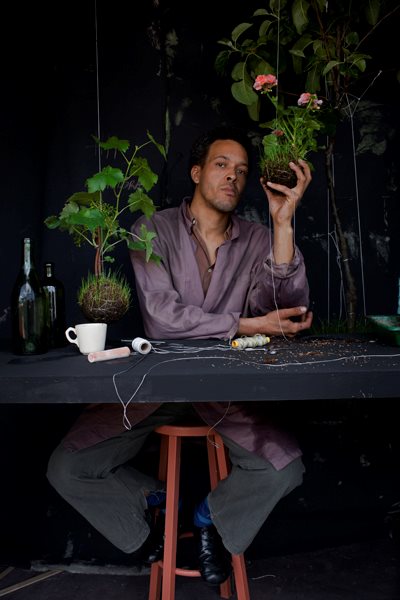
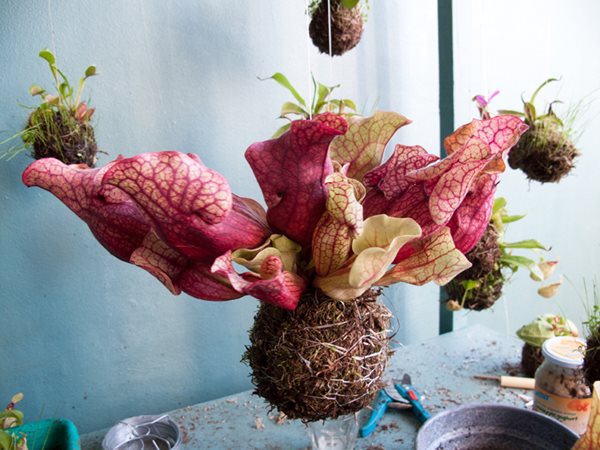
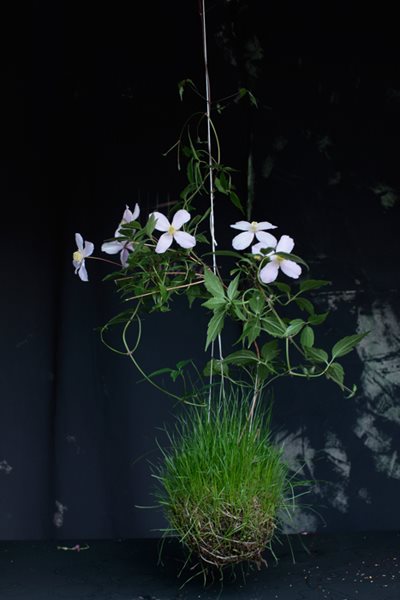
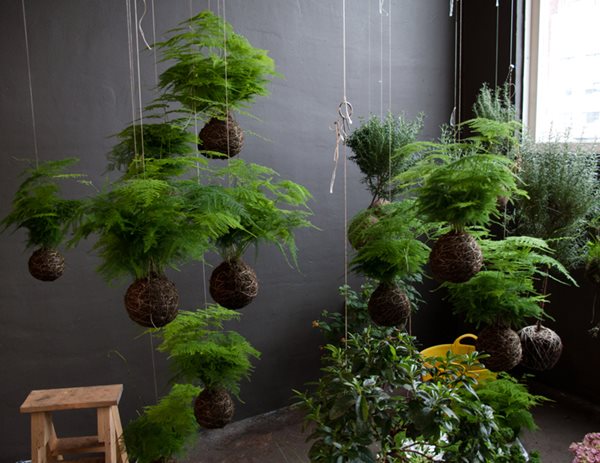
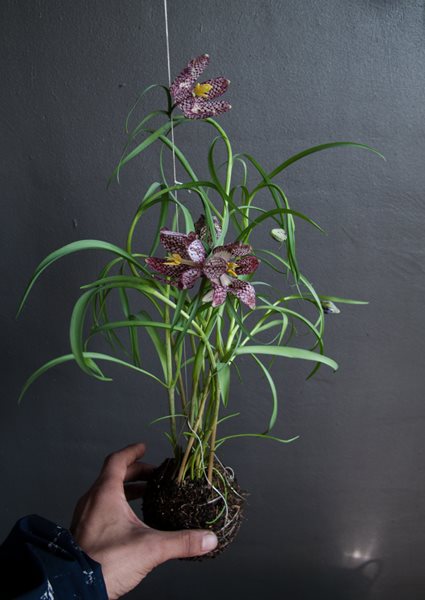
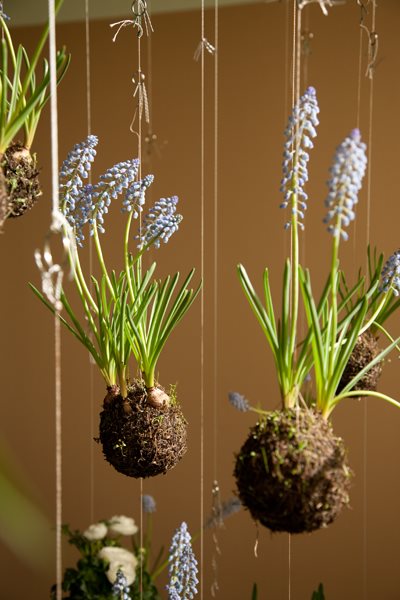
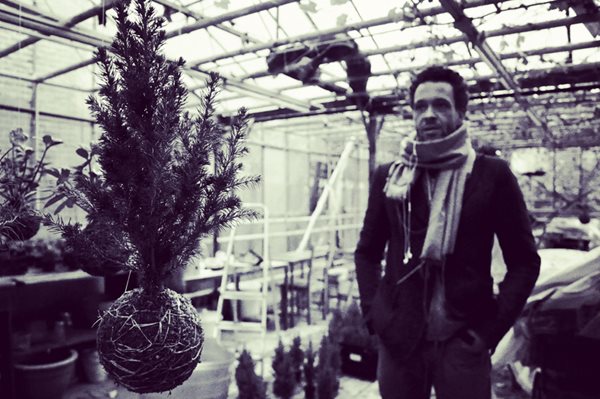
String Gardens Fedor Van der Valk


source: http://www.gardendesign.com/pictures/string-gardens_418/#7695
Images of Dutch artist Fedor Van der Valk's string gardens, featuring plants in bloom from throughout the year.
By Claire Lui

all foto's courtesy of Feder van der Valk


String Gardens
Garden Design
Calimesa, CA
String Gardens
Garden Design
Calimesa, CA

String Gardens
Garden Design
Calimesa, CA
String Gardens
Garden Design
Calimesa, CA
String Gardens
Garden Design
Calimesa, CA
String Gardens
Garden Design
Calimesa, CA
String Gardens
Garden Design
Calimesa, CA

maandag 11 januari 2016

DIY: Make your own tiny terrarium garden that’ll stay green all winter lon

source: http://inhabitat.com/diy-how-to-make-your-own-green-terrarium/


DIY: Make your own tiny terrarium garden that’ll stay green all winter lon


Terrarium, terrariums, DIY, How To, DIY terrarium, glass terrarium, green terrarium, fish tank, jar, jar terrarium, terrarium necklace, terrarium pendant, moss, hen and chicks, tillandsia, succulents, cacti, cactus, herbs, thyme, oregano, lavender, figurines, mosses, lichens, pixie cups, aquarium, craft Plants are remarkably versatile, and you can rest assured that there are plenty of species ideal for your space. Just like observing a garden to ensure that you’ll plant the right varieties that’ll thrive in the light, shadow, and humidity there, observe the room in which you’re planning to keep your terrarium(s) so you can determine which plants to use. When it comes to choosing a container, the sky really is the limit: I’ve used brandy snifters, mason jars, aquariums, and even glass teacups for mine, and a quick trip to the thrift store can provide you with several great containers for this project.
Related: Miniature Star Wars Terrariums Bring Far-Away Galaxies into Your Home

What to Plant

Choosing the right species for your space will ensure that they’ll thrive, and they’ll require a lot less maintenance than delicate, fussy plants that aren’t ideally suited for your climate or home environment.
Terrarium, terrariums, DIY, How To, DIY terrarium, glass terrarium, green terrarium, fish tank, jar, jar terrarium, terrarium necklace, terrarium pendant, moss, hen and chicks, tillandsia, succulents, cacti, cactus, herbs, thyme, oregano, lavender, figurines, mosses, lichens, pixie cups, aquarium, craft

Warm, Dry Room:

  • Tillandsia (also known as air plants) thrive on neglect, and draw the little moisture they need from the air around them.
  • Succulents such as Hen and Chicks come in many different hues, are ridiculously adorable, and very low-maintenance.
  • Cacti, like air plants, only need the tiniest bit of care in order to thrive. They also come in a wide variety of hues, forms, and textures, so you can create little desert scenes to your heart’s content. (Add little skulls, tumbleweeds, wagon wheels, and pioneer miniatures for a bit of fun!)
  • Hardy Mediterranean herbs like oregano, and any variety of thyme. Woolly or creeping thyme work really well as creepers, and the more fragrant species will add scent to your room as well as beauty.
Terrarium, terrariums, DIY, How To, DIY terrarium, glass terrarium, green terrarium, fish tank, jar, jar terrarium, terrarium necklace, terrarium pendant, moss, hen and chicks, tillandsia, succulents, cacti, cactus, herbs, thyme, oregano, lavender, figurines, mosses, lichens, pixie cups, aquarium, craft

Cool, Dry Room:

  • Pincushion plants (Nertera granadensis) are among my personal favorites, and ridiculously pretty. It does best in spaces that don’t heat up to more than 65F-70F, and needs a fair bit of light or it’ll grow more foliage than berries, but keep it out of direct sunshine.
  • Most tillandsia species are also very cold-hardy, and it’s unlikely that your indoor space will frost over or get cold enough to kill them off.
Terrarium, terrariums, DIY, How To, DIY terrarium, glass terrarium, green terrarium, fish tank, jar, jar terrarium, terrarium necklace, terrarium pendant, moss, hen and chicks, tillandsia, succulents, cacti, cactus, herbs, thyme, oregano, lavender, figurines, mosses, lichens, pixie cups, aquarium, craft

Warm, Humid Room:

This is the easiest climate to work with, as most houseplants are tropical in origin, so you can go hog wild with your choices.
  • Peperomia: There are many varieties of this genus, and most are quite small and compact; ideal for terrarium cultivation. Peperomia prostrata is fabulous as a ground-creeper, while Peperomia verticillata has beautiful little rose-like buds.
  • Carnivorous plants! Miniature Venus flytraps or pitcher plants are fabulous to intersperse with tiny ferns and mosses, and they won’t just be lovely in your space; they’ll chow down on any fruit flies that might pop up.
  • Any miniature fern.
  • Baby tears (Helxine soleirolii) is a gorgeous little green creeper.
Terrarium, terrariums, DIY, How To, DIY terrarium, glass terrarium, green terrarium, fish tank, jar, jar terrarium, terrarium necklace, terrarium pendant, moss, hen and chicks, tillandsia, succulents, cacti, cactus, herbs, thyme, oregano, lavender, figurines, mosses, lichens, pixie cups, aquarium, craft

Cool, Humid Room:

Although a cool, damp space might be a bit difficult to live in at times (parts of Scotland come to mind, along with my own corner of rural Quebec…) you can brighten up any room with some pretty plants.
  • Mosses thrive in colder, moist locales, and you can likely gather some from around the neighborhood instead of having to invest in plants at a garden center.
  • Lichens such as Pixie Cups (Cladonia pyxidata) also do amazingly well in cooler areas, and not only are they long-lasting, they’re absolutely adorable. Toss in a unicorn figurine and a bit of glitter and voila! Instant magic.
  • English ivy, or any miniature ivy species. They like cooler climates and plenty of moist soil to keep them happy.
  • Miniature roses are lovely, but are only well suited to larger terrariums, such as aquariums… or as stand-alone pieces inside cloches.
  • Bulbs such as crocuses and muscari are small enough that they can work as centerpieces in a medium or small terrarium.
Terrarium, terrariums, DIY, How To, DIY terrarium, glass terrarium, green terrarium, fish tank, jar, jar terrarium, terrarium necklace, terrarium pendant, moss, hen and chicks, tillandsia, succulents, cacti, cactus, herbs, thyme, oregano, lavender, figurines, mosses, lichens, pixie cups, aquarium, craft
Once you’ve chosen the plants you’d like to work with, it’s time to pop them into their new homes. It’s best to keep compatible species together, so keep your succulents and cacti together in that nice warm, dry room, and the tropical, moisture-loving plants together in your steamy bathroom or otherwise humid space. Be sure to put down a layer of pebbles at the bottom of your container for drainage, followed by some activated charcoal (available at aquarium shops – it keeps algae from forming), then potting soil. Pop in your plants, and finish up with miniatures, rocks, twigs, or any other additions that make you smile.
*Note: There seems to be a magic ratio to terrarium building, and that’s 1:2 filling to space. Make sure that you don’t over-stuff your creation so there’s plenty of room for growth, as well as air circulation.
Related: DIY – How to Make Your Own Green Terrarium to Keep or Give Away
Terrarium, terrariums, DIY, How To, DIY terrarium, glass terrarium, green terrarium, fish tank, jar, jar terrarium, terrarium necklace, terrarium pendant, moss, hen and chicks, tillandsia, succulents, cacti, cactus, herbs, thyme, oregano, lavender, figurines, mosses, lichens, pixie cups, aquarium, craft
Be creative with your terrariums! Adding miniature doll furniture can transform a simple mini-garden into a faerie home, or you could create different scenes with tiny figurines, be they human, animal, or just quirky little accessories. Turn bottles on their sides, or use rows of test tubes for containers. Take a cue from the folks over at Twig Terrariums for some ideas if you get stuck: Fairies, zombies, dancing cows, or any other number of figures can create truly spectacular scenes, and you can pop in some LED lights for extra effects. There’s really no limit to how inventive you can be, and you can switch out the plants now and then for new variations of color and texture throughout your space. If you have pets, it’s a good idea to create terrariums with lids or screens so they can’t get at your plants, but it would be wise to do some research about which plants are toxic to your particular pet so you can avoid them just in case.
Lead image © Josh Leo; All other images via Shutterstock, Josh Leo, David Lanham, and Tiny Garden Terrariums